


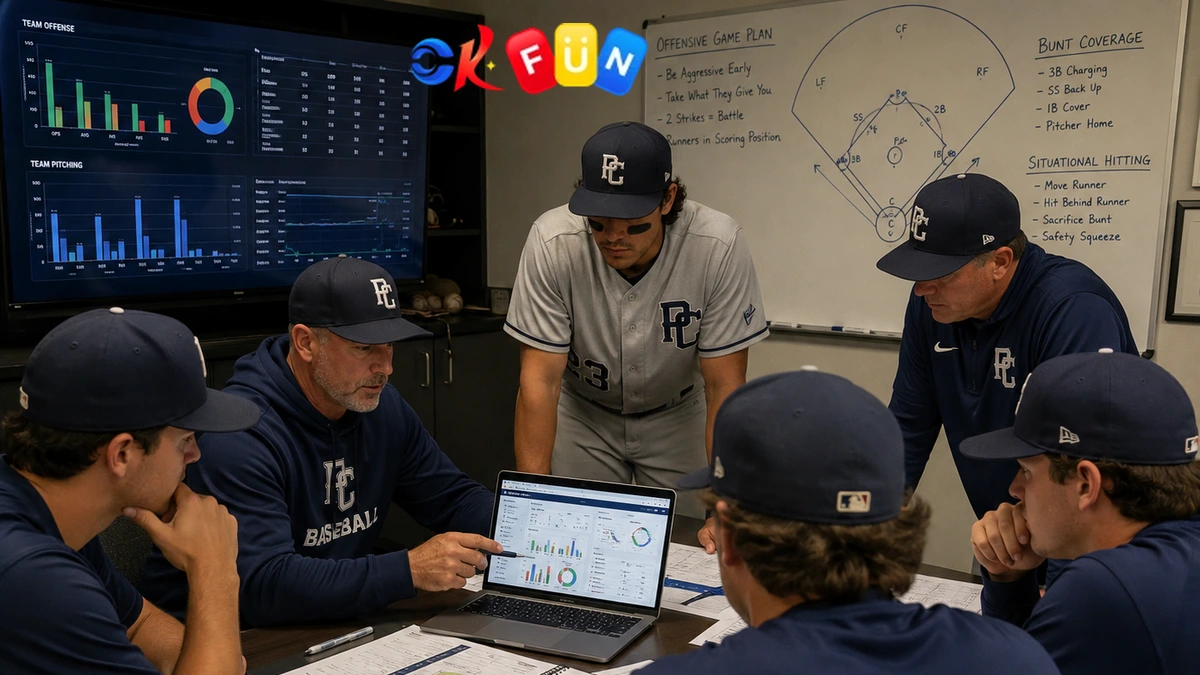
In recent years, baseball has emerged as a promising sport in the Philippines. Capturing the imaginations of young athletes and fans alike. While traditional sports like basketball and football dominate the national landscape. The growing interest in baseball signals a unique opportunity for strategic growth. For aspiring players, coaches, and sports enthusiasts, the challenge lies in navigating the complexities of building a sustainable baseball ecosystem. This article explores the Philippine baseball growth that can drive long-term success. With a focus on grassroots development as the cornerstone of this journey. Whether you’re a local coach looking to refine your methods or a fan eager to understand the future of the sport, this guide offers actionable insights into how the Philippines can elevate its baseball legacy.
Foundations of Growth: Building from the Ground Up
At the heart of any successful sport lies grassroots development. A term that encapsulates the efforts to nurture talent from the local community level up. In the Philippines, this means investing in accessible programs that introduce baseball to children at an early age. Schools and community organizations play a pivotal role in this process. By integrating baseball into school curricula or establishing after-school leagues. Young athletes can develop foundational skills while fostering a lifelong passion for the sport.
One effective approach is the creation of grassroots development initiatives that leverage local resources. For instance, urban areas can partner with sports academies to offer structured training programs. While rural communities might focus on mobile clinics and informal tournaments. These initiatives not only provide opportunities for skill development but also build a sense of camaraderie among players. Additionally, ensuring that these programs are inclusive and affordable is key to maximizing participation. By making baseball accessible to all, regardless of socioeconomic background. The Philippines can cultivate a diverse talent pool that reflects the nation’s rich cultural tapestry.
Empowering Coaches and Mentors: The Backbone of Growth
A thriving baseball ecosystem cannot succeed without skilled coaches and dedicated mentors. These individuals are the driving force behind talent development, shaping the next generation of players through guidance, discipline, and innovation. To support this critical role, the Philippines must invest in coaching education and mentorship programs that emphasize both technical expertise and leadership skills.
Training programs for coaches should focus on modern techniques such as data-driven coaching, player psychology, and injury prevention. For example, workshops that introduce tools like swing analysis software or pitch tracking systems can help coaches refine their methods. Moreover, mentorship programs that pair experienced coaches with newcomers can accelerate the transfer of knowledge and create a supportive network within the baseball community.
The importance of mentorship extends beyond the field. Coaches and mentors also play a vital role in instilling values such as teamwork, resilience, and sportsmanship. By fostering these qualities, they not only prepare players for competition but also equip them to thrive in personal and professional settings. This holistic approach to coaching ensures that the Philippines’ baseball development strategy is both effective and enduring.
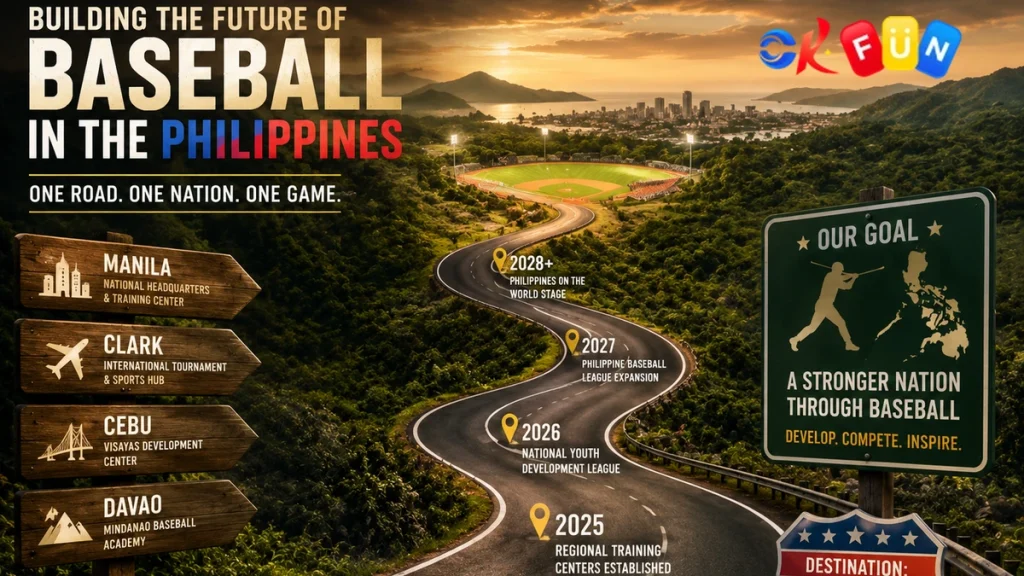
Leveraging Technology: Modernizing Training and Engagement
In today’s digital age, technology has become a powerful tool for advancing sports development. For the Philippines to accelerate its Philippine baseball growth, integrating technology into training and engagement is essential. Advanced tools such as video analysis software, wearable performance trackers, and virtual reality simulations can provide players with personalized feedback and enhance their training efficiency.
For instance, video analysis platforms allow coaches to break down a player’s mechanics in real-time. Identifying areas for improvement that might be difficult to spot during live games. Wearable technology, such as GPS trackers and heart rate monitors, can provide insights into an athlete’s physical condition, helping to prevent injuries and optimize performance. Virtual reality (VR) training is another promising innovation. Enabling players to practice scenarios in a controlled environment without the risks of real-world competition.
Beyond individual training, technology can also enhance fan engagement. Interactive apps and online platforms can connect baseball enthusiasts with live updates, player statistics, and virtual tournaments, fostering a sense of community among supporters. By embracing these technological advancements, the Philippine baseball growth can position itself at the forefront of modern baseball development, ensuring that its players and fans remain engaged and informed.
Creating Pathways to Professional Success: From Local Leagues to National Recognition
A robust grassroots development program is only the first step in the journey toward professional success. To sustain long-term growth, the Philippines must establish clear pathways for players to transition from local leagues to national and international competitions. This involves creating a tiered system of leagues, providing opportunities for scholarships, and fostering relationships with professional teams.
Local leagues, such as the Philippine Baseball League (PBL), serve as vital platforms for emerging talent. By encouraging participation in these leagues, young athletes gain valuable experience and exposure. However, the transition to higher levels of competition requires more than just skill—it demands strategic planning and support. Scholarships and financial assistance programs can alleviate the economic barriers that prevent talented players from pursuing their dreams.
Moreover, collaboration with international organizations and professional teams can open doors for Filipino players to compete on a global stage. Partnerships with leagues such as the Japanese Baseball League or the MLB’s Minor Leagues can provide opportunities for Filipino athletes to gain recognition and develop their skills in competitive environments. By creating these pathways, the Philippines can ensure that its baseball talent is not only nurtured but also empowered to reach its full potential.
Conclusion: A Collaborative Vision for Philippine Baseball’s Future
The growth of baseball in the Philippines is not just about winning games—it’s about building a sustainable, inclusive, and innovative sport ecosystem. The Philippine baseball growth discussed in this article emphasize the importance of grassroots development, coaching excellence, technological integration, and professional pathways. By prioritizing these elements, the Philippines can lay the foundation for a thriving baseball culture that benefits players, coaches, and fans alike.
However, achieving this vision requires collective effort. Local communities, schools, sports organizations, and even platforms like OKBET Sports must collaborate to provide resources, support, and opportunities for growth. As the sport continues to evolve, staying adaptable and forward-thinking will be key to ensuring long-term success. For more insights into how OKBET Sports is contributing to this strategic growth, explore FIFA World Cup 2026 Player Stats | Scorers And Assists. Together, we can shape the future of Philippine baseball—one strategic step at a time.